1) Football synchronization
Our itineraries adapt to match schedules. You enjoy excursions without ever missing the tournament atmosphere.
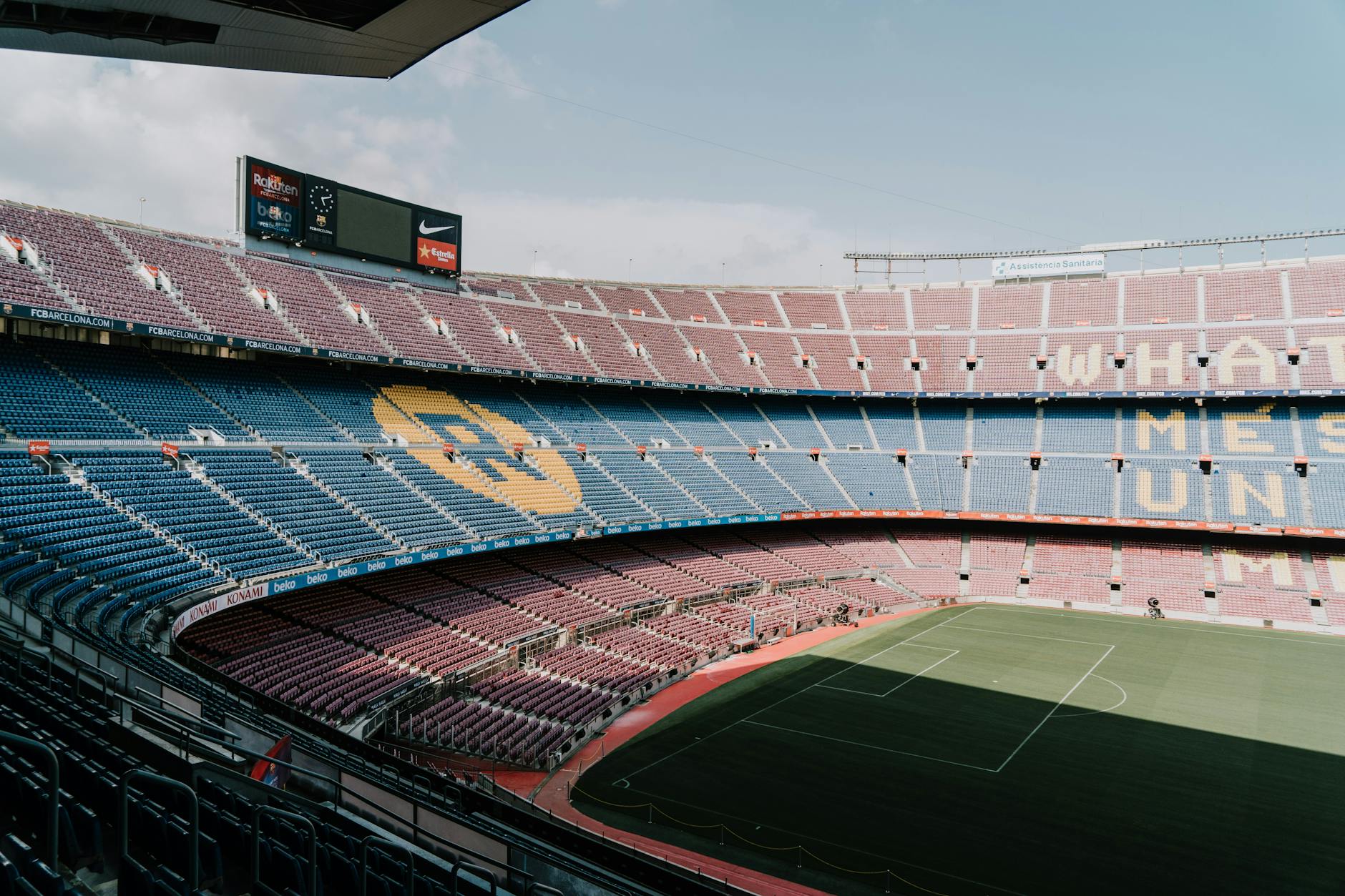
Combine your passion for football with the paradise beaches of the Riviera Maya: Cancún, Playa del Carmen, Tulum. Discover unforgettable tours, mythical sites and total cultural immersion during the 2026 tournament.
11+
Featured tours
3
Departure cities
2026
Tournament year
100%
Football passion
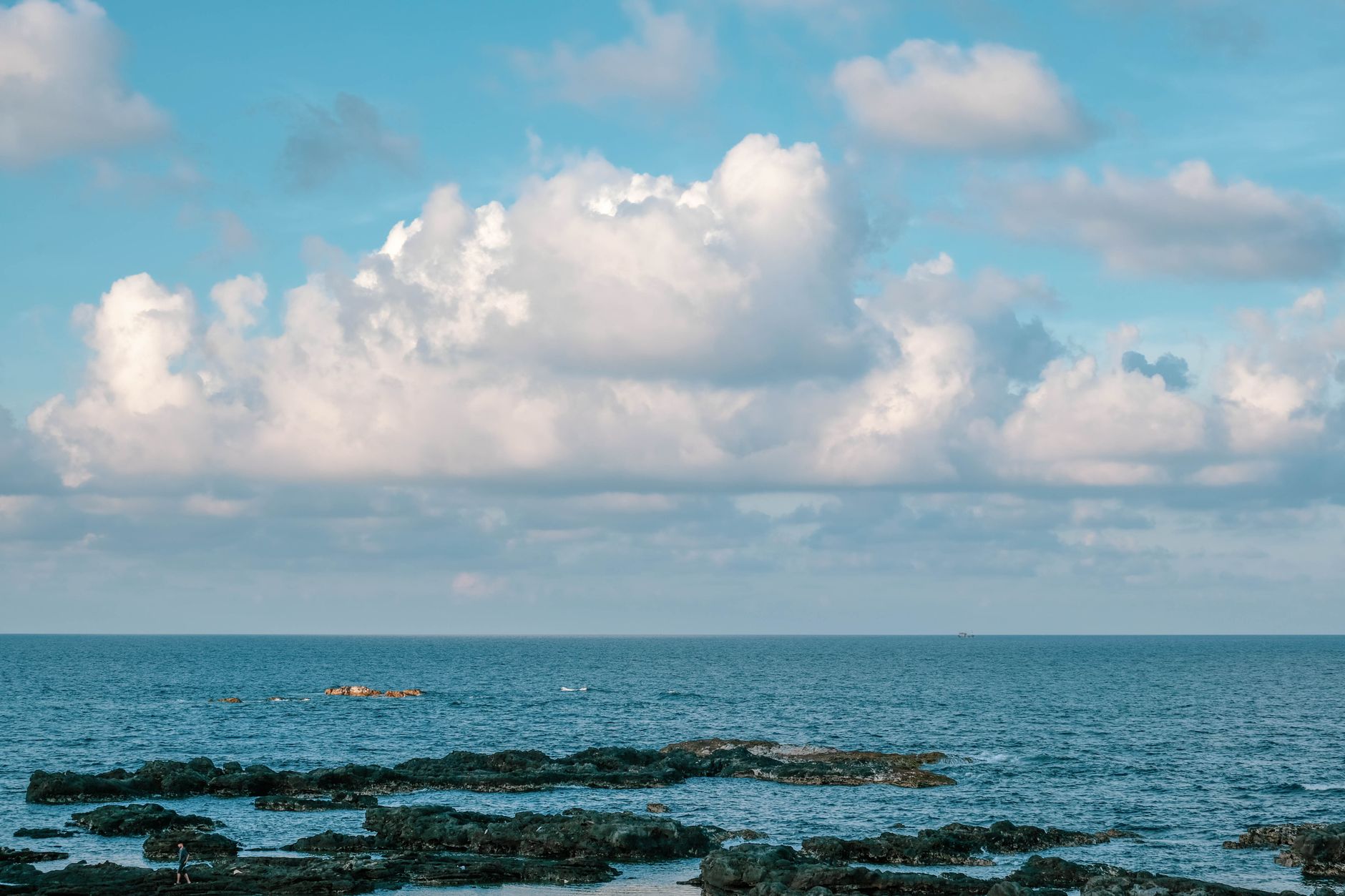
Between matches and excursions, experience the perfect balance between sporting adrenaline and sublime nature.
See ToursIn 2026, Mexico becomes the stage for a global fervor. Our mission: transform your stay into a total experience, where the intensity of matches meets the beauty of the Riviera Maya. Whether you arrive in Cancún, Playa del Carmen or Tulum, we offer immersive tours designed for demanding, curious and passionate supporters.
This homepage highlights our flagship excursions, our departures by city, and also guides you into an unexpected cultural and linguistic universe: the word “parque”, whose mythological and symbolic richness evokes destiny, the thread of life, and storytelling — a beautiful metaphor for your journey.
Our itineraries adapt to match schedules. You enjoy excursions without ever missing the tournament atmosphere.
Cultural experts and sports lovers, our guides offer vivid stories and impeccable logistics.
Secret cenotes, paradise islands, legendary ruins: priority access to the jewels of the Riviera Maya.
Flexible cancellations, optimized schedules, secure transport: a professional service for demanding travelers.
Each excursion is designed to capture the spirit of Mexico 2026: energy, emotion, spectacular landscapes and cultural discoveries.
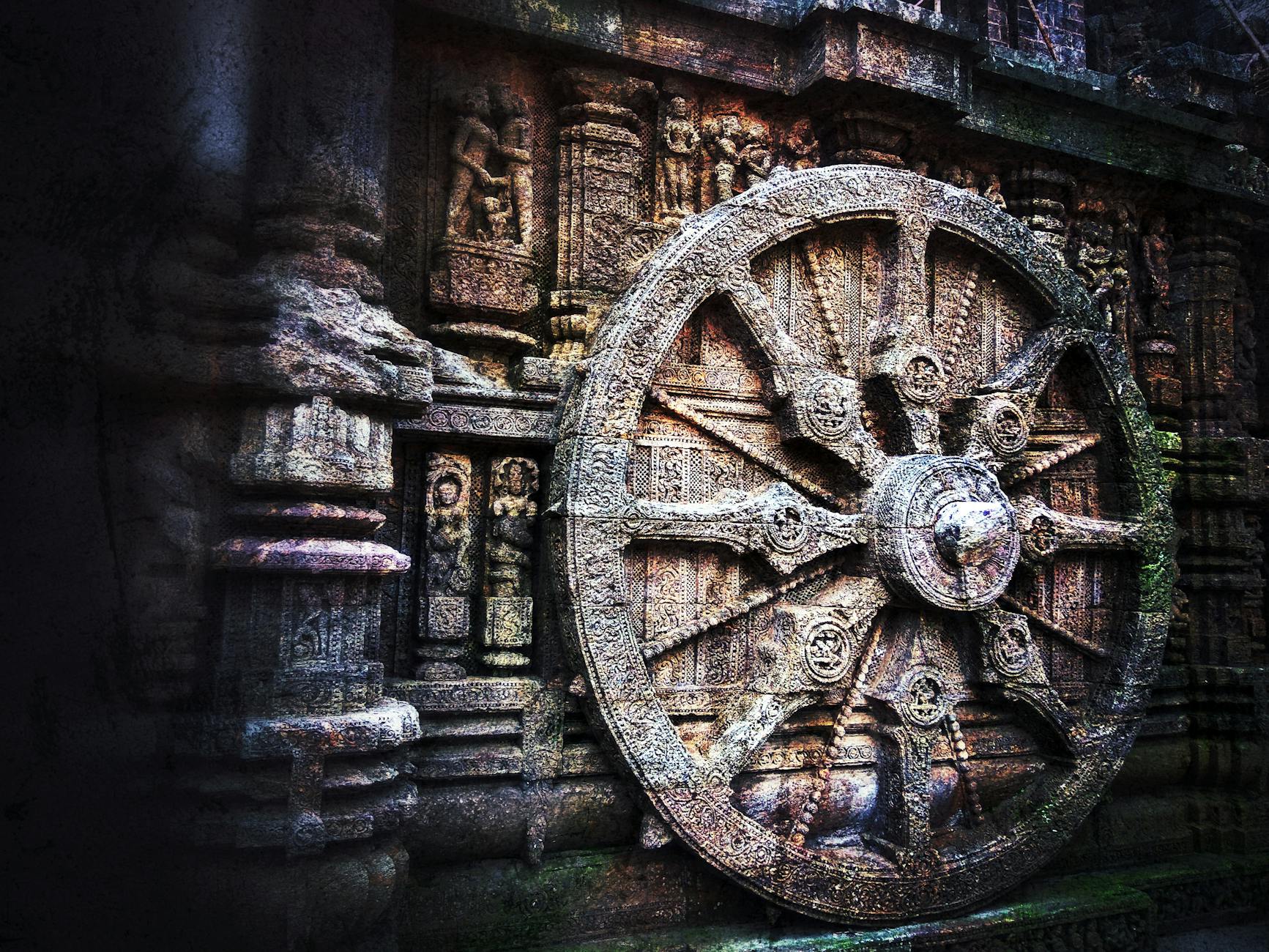
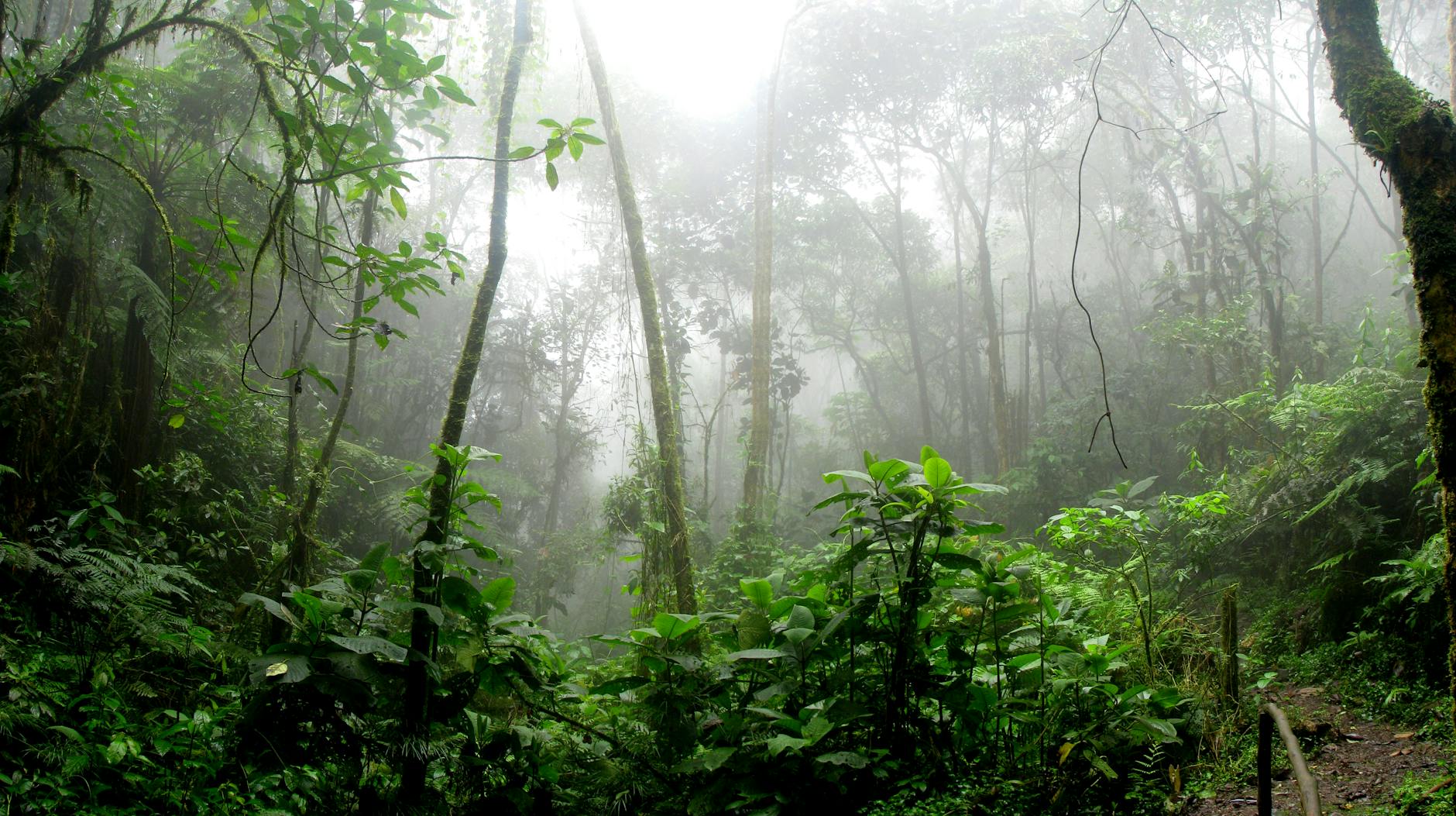
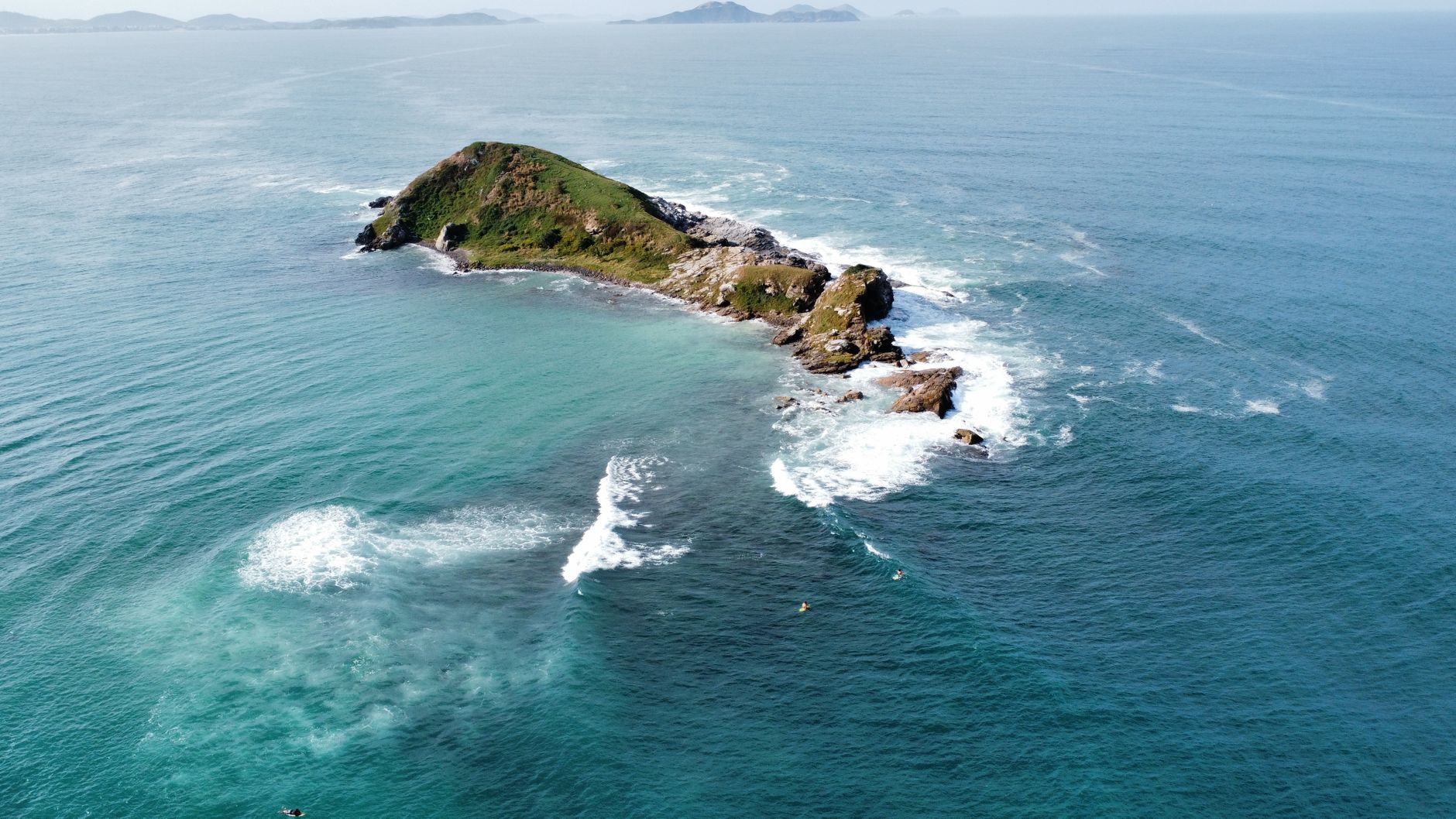
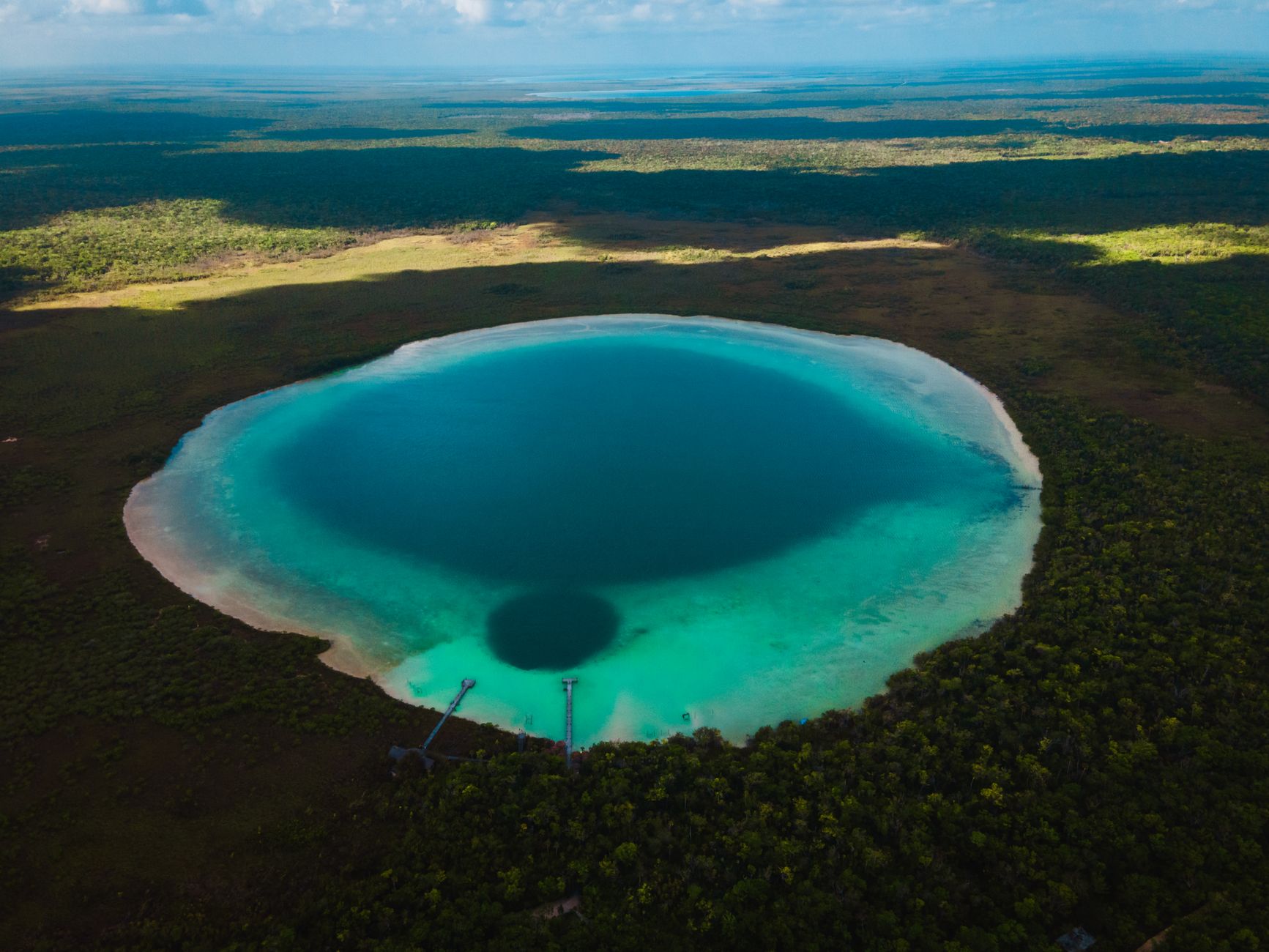

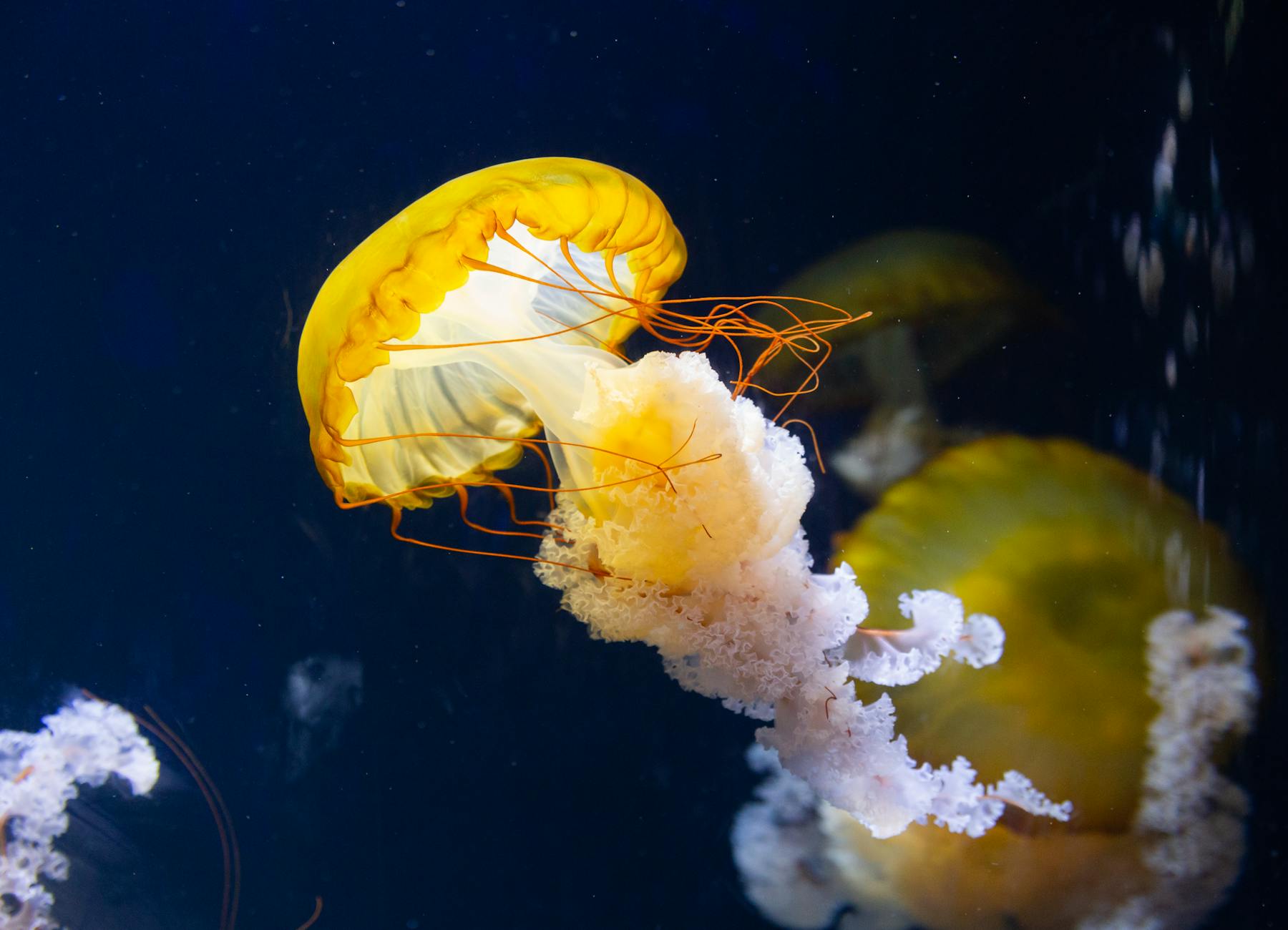


Select your departure city and enjoy smooth logistics to combine matches and adventures.
Even before being a common term, “parque” belongs to a powerful mythological universe. In ancient Rome, the Parcae – Clotho, Lachesis and Atropos – embody the idea of ineluctable destiny. Clotho spins the thread of life, Lachesis unrolls it and fixes its length, Atropos cuts it with scissors that symbolize the end. Human existence, in this story, is a fabric woven by higher forces, and the word “parque” thus becomes synonymous with the inevitable, with written destiny, with a traced narrative.
This vision has nourished a vast literary tradition. From classical texts, from tragic poems to modern narratives, evoke the Parcae to signify fatality. Their presence is also proof of a culture that gives meaning to the cycles of life, to heroism, and to human fragility. Many authors, fascinated by this image of the thread, have transposed it into works where time, death and memory converge. The Parcae thus became figures of language, recurring allegories in literature and in thought.
The etymology of “parque” first refers to the Latin Parca, collective or individual name of the goddesses of fate. Linguists have proposed links with the verb parcere, “to spare”, which could echo the length of life “spared” by the Parcae. Another hypothesis links the word to partus, childbirth, suggesting the beginning of life that Clotho initiates by spinning the thread. Phonetic transformations have raised questions: how did the Latin root become French? Some think of a shift through poetic usage and through the pressure of orality. Etymology, like mythology, also tells of invisible paths.
Beyond Latin, connections have been made with Greek roots related to sharing and distribution. This semantic proximity fits perfectly with the image of the Parcae who “distribute” time, assign a destiny, and cut the weave. Thus, the word “parque” is both a linguistic heritage and a universal symbol.
As early as the 16th century, “parque” is found in French texts, often in dramatic or epic verses. The term accompanies tragic poetry, where inexorable destiny serves as a narrative engine. It crosses the centuries and remains in classical and modern works, proof of its symbolic power. Famous quotations evoke the “scissors of the Parcae” or the “thread of the Parcae” to express the end, the fragility and the irreversibility of time. In literary corpora, it remains a marker of gravity and intensity.
In the press, its use remains rare, but significant: it is found in cultural articles, literary reviews, or philosophical columns. This low frequency is not a sign of oblivion, but rather an indicator of its solemn character. “Parque” is not an ordinary word; it marks a moment, a dramaturgy, a tipping point, like the final whistle of a mythical match.
The word “parque” has evolved toward figurative uses. It evokes destiny, fatality, or inevitable death. The expressions “the thread of the Parcae” or “the scissors of the Parcae” suggest the end of a path, the fragility of time, or the idea that a higher force decides. This lexical field of thread, weaving and cutting nourishes many poetic analogies. Writers like to compare it to the duration of an adventure, to the fate of a hero, or even to the moment when everything shifts.
Some literary quotations stage characters aware of being caught in this weave. The image of the Parcae then becomes a mirror of the narrative: life reads like a thread, and the end appears as the cut. It is a vision that crosses cultures and still inspires today novels, plays, and modern metaphors, including in sport when one evokes a “written destiny”.
Among related terms, one thinks of “destiny”, “fatality”, “fate”, “fortune” or “providence”. Yet “parque” retains a mythological dimension all its own. Its phonetic proximity to “park” or “parked” can create confusion, but its context of use dispels doubt: “parque” designates a symbolic concept, anchored in the imagination of the goddesses of fate. This term evokes a personified force and a more literary narrative than abstract synonyms.
In English, “Parques” is often translated as “Fates” or “Parcae,” in Italian “Parche,” in Spanish “Parcas.” Each language preserves the trace of these mythological figures. In some cultures, the Parcae are close to other deities of fate; translation thus becomes a bridge between mythologies. This international diffusion shows that “parque” is not just a word, but a trans-cultural symbol, capable of resonating in several universes.
In a literary register, one would write: “The Parcae watch, and none can undo this thread that they have woven.” In a legal or formal register, the term sometimes appears to emphasize the irreversibility of a judgment or of an event. In a popular register, the word can serve to dramatize a situation: “The Parcae have cut, it was his day.” These uses show the word’s ability to circulate between levels of language.
In Scrabble, “parque” is a valid word that can surprise by its rarity, but it makes an elegant play. In contemporary culture, it sometimes appears in series or fantasy novels, where ancient mythology is making a strong comeback. Its symbolism of destiny also inspires modern designs: tattoo designs, logos, or slogans that evoke the thread of life. Even in sport, one sometimes speaks of “a trajectory written by the Parcae” to express the ineluctable rise of a champion.
Have fun with this mini tool: enter a word, a theme or a travel memory, then choose your “ destiny intensity”. The simulator produces a mini symbolic story, inspired by the mythology of the Parcae.

Yes, our schedules are designed so you can enjoy every important match.
Of course, we include optimized transport solutions.
Isla Mujeres and the cenotes are perfect for half-days.
It symbolizes destiny, a metaphor for your journey and your memories.
Yes, French-speaking options are available depending on dates.
Key weeks of the 2026 tournament show strong demand.
Yes, contact us for tailor-made offers.
Visit the page About us.
Your gateway between sporting passion and natural adventures in Riviera Maya.